


Dental implants can be an excellent and ideal option to restore your smile if you have lost teeth due to decay, injury, gum disease, or any other reason. You can regain your beautiful smile and self-confidence with dental implants. There are various implant types. A dentist performing one of the best dental implants in Vaughan from 6006 Yonge Dental explains that these false teeth consist of subperiosteal, endosteal, and transosseous implants. 6006 Yonge Dental is a reputable clinic with top dental implant specialists in Toronto, and it is recognized as a reliable dental service provider on the well-known dental directory, dentistrynearme.ca. The dentist recommends the best dental alternative for the patient based on the patient’s examinations and the individual’s conditions. Endosteal implants are some of the most often used and long-lasting implants to replace lost teeth from all types of implants. We must first understand dental implants and their function before discussing endosteal implants. Join us to learn more about endosteal implants as well as dental implants.
Dental Implants and Their Role
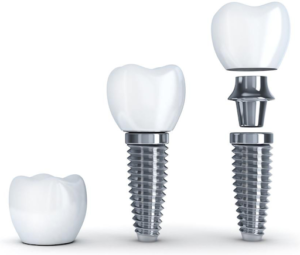
Dental implants are metal bases or frames inserted surgically beneath the gum line in the jaw. The jawbone and these bases or frames work together to form a sturdy basis for tooth repair. The dentist fixes the new tooth on it after it is in position. An alternative safe treatment for missing tooth roots is dental implants. They support a person’s bone structure and serve as a root.
Typically, a dental implant is a crown that replaces a tooth; however, it can also support a bridge or even secure dentures to replace missing teeth. Dental implants can last long if you take good care of them and follow the dentist’s most recent advice.
Advantages of Endosteal Implants
- Endosteal implants are permanent dental implants used to replace a missing tooth. As mentioned, implants are placed in the bone. A support structure, such as a screw, is placed in the lower jawbone during this process.
- Endosteal implants can be used for single or multiple crowns.
- Compared to other implants, endosteal implants are safer.
- Endosteal implants fail less often.
- If necessary and appropriate care is taken for this type of implant, endosteal implants can have a longer lifespan than other implants.
- Endosteal implants are the most common type of implant, so many dentists likely have expertise in installing and maintaining these types of implants.
- Endosteal implants allow the bone to stay firmly in place and prevent bone loss, thus increasing bone density.
Endosteal Implant Implantation Method
The endosteal implant process necessitates substantial incisions, making it somewhat invasive. Under local anesthesia, a maxillofacial surgeon typically performs this procedure. The following actions are crucial in the endosteal implant method:
X-Ray
First, the location where the tooth is missing is found and examined using a dental X-ray or another imaging technology. The procedure starts with the surgeon creating a small incision in the gum and piercing the bone after examining the location. The implant’s body is placed inside the hole using a specialized screw or cone.
Adding a temporary crown
The surgeon places the famous extension, an abutment, and a temporary crown in the desired location. Depending on the patient’s condition, this is carried out either on the initial visit or after that. Following the temporary crown placement, the patient is given a healing period, which can last anytime from a few weeks to a few months. During this time, the structure can develop around the screw. Osteointegration is the term for this action.
Permanent crown removal
The patient’s permanent veneer was typically prepared two weeks after the temporary veneer was made. The surgeon checks the healing process and suggests the right time for a fixed permanent crown.
The abutment is covered with what is referred to as an artificial tooth or prosthesis in the final step of the endosteal implant prosthesis. The surgeon employs scanning technology to modify the prosthesis for a flawless fit for this crown to fit perfectly on the abutment.
Who Are the Right Candidates for Endosteal Implants?
Unlike other types of implants, endosteal implants are placed directly into the bone. Also, this type of implant’s recovery time can be longer than other dental implants. Therefore, there may be better choices for this implant.
Which people can benefit from this dental implant, and is it suitable for them? The following people can be mentioned:
- People with medical conditions such as high blood pressure and osteoporosis.
- People who have insufficient bone strength in their jaw.
- People who deal with gum diseases such as periodontitis and gum disease.
At this time, the best thing is to see what the specialist dentist offers after the examination for the health and beauty of our mouth and teeth.
0 responses to “Everything About Endosteal Dental Implants”