


Where to Get Urgent Dental Care?
One of the most common concerns is what to do in a dental emergency, especially when it occurs at an inconvenient time. With advances in dentistry technology and medical knowledge, however, patients can now easily address their emergency dental problems with the help of an emergency dentist. The local dental community has been making significant efforts to donate critical emergency dentistry for needy patients. Dental health care clinics provide everything patients require to tackle their dental issues. Experts at trusted emergency dental clinics point out that various materials are available to treat urgent dental problems. A group of experts at emergency dentistry in New Westminster explain that individuals should no longer worry about their urgent dental needs as critical dentists are available and ready to provide assistance 24/7. All you need to do is find the best one for you, and our post below outlines the duties and features of an urgent dental doctor.
The Most Frequent Dental Emergencies
Toothaches, broken or chipped teeth, lost fillings or crowns, and abscesses fall into severe dental emergencies requiring quick treatments. Toothaches may be caused by tooth decay, infection, or injury, and prompt dental attention is necessary to identify and treat the underlying problem. Chipped or broken teeth should not be left untreated as they can cause pain and difficulty eating or speaking. The dentist may suggest restorative procedures such as crowns or fillings based on the extent of the damage. Lost fillings or crowns can result in discomfort or sensitivity due to the exposed tooth structure, and dental repair may be necessary to restore the tooth’s functionality. Abscesses are painful conditions involving a buildup of pus around the tooth’s root, often causing severe swelling. Beneficial treatment, such as a root canal or extraction, may be required to alleviate the pain and address the underlying issue.
Scheduling a Time to See Urgent Care Providers
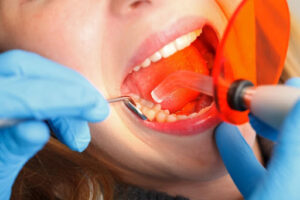
It is important to schedule an appointment with a dentist who can properly examine the tooth and recommend a treatment plan for a decayed tooth. This can include routine examinations, cleanings, fillings, and extractions. Symptoms of a decayed tooth can include sensitivity to hot or cold, pain while chewing, and visible holes or pits in the tooth. Appropriate oral hygiene practices such as brushing twice daily, flossing daily, and reducing sugar intake can help prevent tooth decay. Fillings can be a suitable option for urgent cases of decay, restoring the tooth’s shape and preventing further decay. In cases where the decay has reached the pulp nerve, a root canal may be necessary. Despite common misconceptions, modern techniques and anesthesia ensure that root canals are not invasive or painful.
An extraction might be the best option if the decayed tooth is severe and cannot be treated with other methods. This involves completely removing the tooth from its socket, which is usually considered a last resort when other treatments fail, or the tooth has sustained irreparable damage. Following the extraction, it is crucial to have regular dental check-ups to prevent further decay and maintain healthy gums and teeth.
0 responses to “Where to Get Urgent Dental Care?”